Why Is Facade Cleaning So Important?
You walk past a building. The windows are shining, the entrance is neat, and the surrounding area is well-maintained. But one detail immediately catches your attention: the facade is dirty.
Dust, rain stains, urban pollution, bird droppings, and various deposits that accumulate on the surface over the years can significantly change the appearance of a building. What is interesting is that people often do not notice exactly when it happens.
The building simply... starts to look older than it did the day before.
Why Do Facades Get Dirty So Quickly?
The urban environment is far from ideal for building facades.
Vehicle exhaust, dust from construction work, wind, rain, and various particles in the air gradually leave their mark on exterior surfaces. Facades located on major roads and in areas with heavy traffic tend to become dirty much faster.
Rain can sometimes make the situation even more noticeable rather than improving it. Once the water evaporates, the dust and minerals it contains can remain on the surface, leaving visible stains.
As a result, the facade loses its original color, windows become less transparent, and the building gradually loses its fresh and well-maintained appearance.
“You Can’t See It From Far Away” — Actually, You Can
Facade dirt can be deceptive.
At first, it may seem insignificant. A few stains, a little dust...
But when these small imperfections accumulate across an entire building, they can completely change its overall appearance.
This is especially important for commercial properties. A customer's first impression of a company can sometimes begin before they even experience its services — with the appearance of the building itself.
A clean facade, on the other hand, can make a building feel like it has been given a new lease on life.
How Are the Facades of High-Rise Buildings Cleaned?
This is where things become a little more complicated.
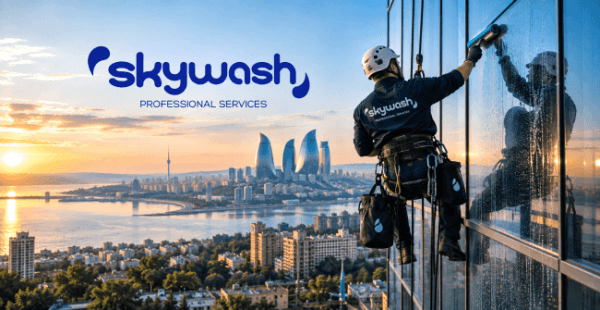
It is impossible to clean facades at significant heights using ordinary cleaning methods. This is where industrial rope access and professional facade cleaning technologies come into play.
Using specialized safety systems, professional rope-access technicians reach even the highest and most difficult-to-access areas of a building to carry out cleaning work.
From the ground, you simply see a clean facade.
But behind that result is a combination of strict safety procedures, specialized equipment, and professional expertise.
Not Every Facade Can Be Cleaned the Same Way
One of the most common mistakes in facade cleaning is treating every surface in the same way.
Glass, stone, metal, composite panels, and other facade materials all have their own characteristics. The wrong chemical product or excessive pressure can damage the surface.
Professional cleaning starts with understanding the facade.
The material is identified, the type and level of contamination are assessed, and only then is the appropriate cleaning method selected.
What Difference Does a Cleaned Facade Make?
Sometimes the transformation is so significant that it feels like you are looking at a completely different building.
The glass looks brighter and clearer.
The original color of the facade becomes visible again.
Stains and marks disappear.
The building looks newer, cleaner, and better maintained.
In reality, facade cleaning does not rebuild the building. It simply restores the appearance that had been hidden beneath years of accumulated dirt.
Cleaning Is More Than Just “Washing”
Quality facade cleaning is not simply about water and cleaning products.
It is a combination of proper assessment, the right technology, safety measures, and professional execution.
Because before you can properly clean a large building, you first need to know how to “read” its facade.
And what does the best cleaning result look like?
When the work is finished, it should not look as if anything has been added or changed.
The building simply returns to its best version.